Stephanie Bucharelli
Frontend Engineer / UX Engineer | React, React Native, TypeScript
stephaniebucharelli@gmail.com
About
I'm a frontend/UX engineer who enjoys building interfaces that feel clear, intuitive, and genuinely helpful. I work mostly with React, React Native, and TypeScript across iOS, Android, and web, and I care a lot about creating consistent patterns and small touches that make an experience feel polished.
Most recently, I worked as the UX Engineer on the IndeVets mobile team. I focused on the “in-between” space — refining design details, asking clarifying questions, filling in gaps, and making sure our interaction patterns were both usable and realistic to implement. I also architected our cross-platform component library, which helped the mobile and web teams stay aligned as the product grew.
Although I was primarily embedded on the mobile team, I also partnered closely with the staffing team. I built components for their project, reviewed designs, and worked through interaction details when they needed support. Contributing to both areas gave me a broader understanding of how the product fit together and helped keep branding and expectations aligned across teams.
One of my favorite parts of the role was being someone the team trusted. I loved when engineers told me my components felt “plug and play,” or when someone asked me to join a feature review because something looked off visually. I also really valued being in early conversations—helping keep the user’s needs front and center and adding the small UX details that make the experience feel thoughtful rather than stressful.
Something I care deeply about is reducing cognitive load for the people who use the products I help build. At IndeVets, that meant thinking about the vets behind the screen — people already juggling long shifts, medical decisions, and emotional labor. I wanted the UI to feel calm, clear, and easy to navigate, not overwhelming or flashy. Good UX should meet people where they are, respect their time and mental energy, and make their day a little lighter.
While much of my recent experience has been in healthcare-focused products, the problems I work on are broadly applicable to any complex interface: reducing cognitive load, refining state-heavy workflows, improving clarity around edge cases, and iterating on interactions based on real usage. These same principles apply whether the users are clinicians, engineers, or other technical professionals navigating complex systems.
Featured Projects
IndeVets Mobile Application
React Native, TypeScript, React Query, React Navigation, Reanimated, styled-components
I joined IndeVets right as the mobile app was starting to take shape. A couple of months after I arrived, the project transitioned from a contract team to a small internal group of four of us. We were all building the app together, which meant I had the chance to work on many of the early components and patterns. Being there so early gave me a unique view of how everything evolved, and it shaped the way I approached UI clarity and consistency as the product grew.
One of the things I appreciated most about working on the IndeVets app was designing for real people. Veterinarians carry a huge emotional and mental load in their day-to-day work, so I tried to make the parts of the app they used feel simple, gentle, and easy to process. Good UX should make someone’s day feel a little lighter, and that idea became a guiding principle for me.
- Built core parts of the app: Developed many foundational components and screens early on, which later became the base for new features. It was rewarding to see how those pieces grew and evolved over time.
- Created the cross-platform UI library: Designed and implemented IndeVets-CUI, a shared library with tokens, theming, and 30+ reusable components used across both mobile and web. This made building new UI faster and more consistent for the whole team.
- Supported design handoff and clarity: Reviewed Figma files, asked clarifying questions, caught inconsistencies, and suggested small interaction improvements when something felt unclear or incomplete.
- Availability Calendar: Built a complex scheduling interface with three-state day selection, pay-period logic, blackout rules, and real-time syncing through React Query. It was one of the most challenging and interesting features I worked on.
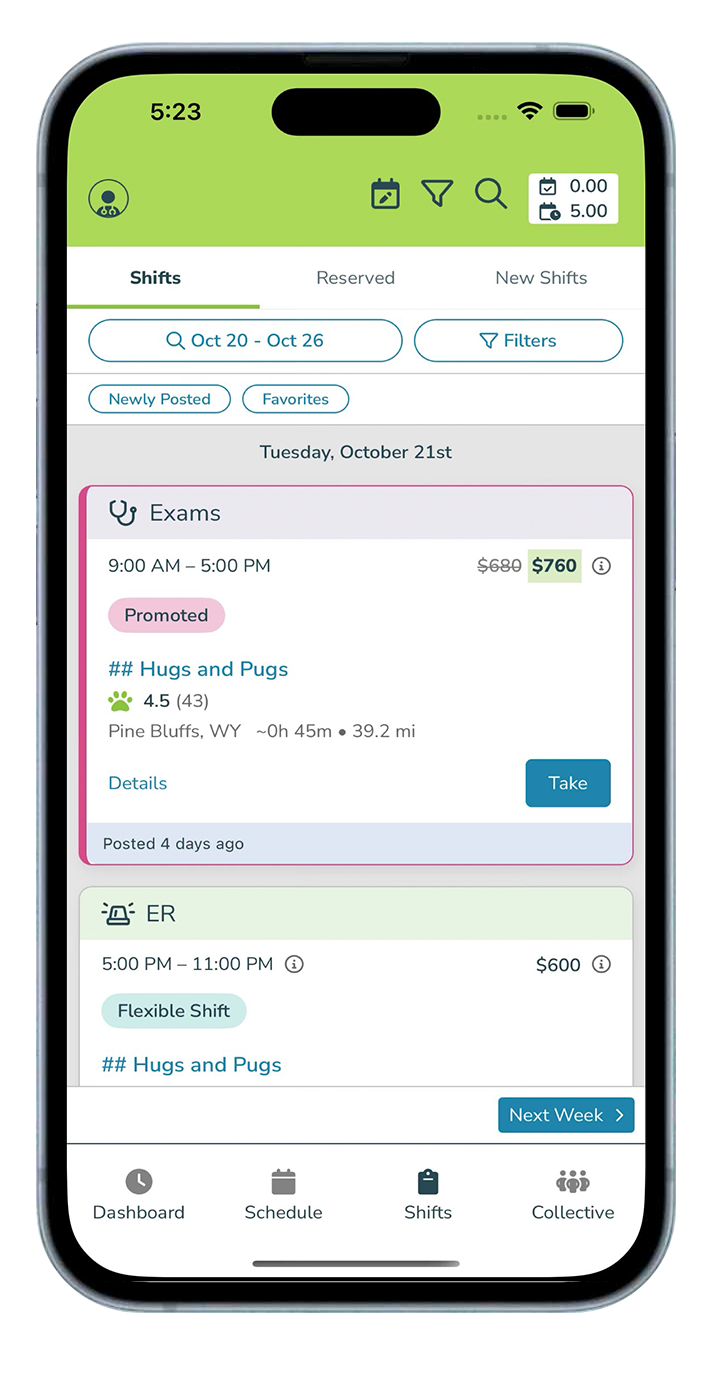
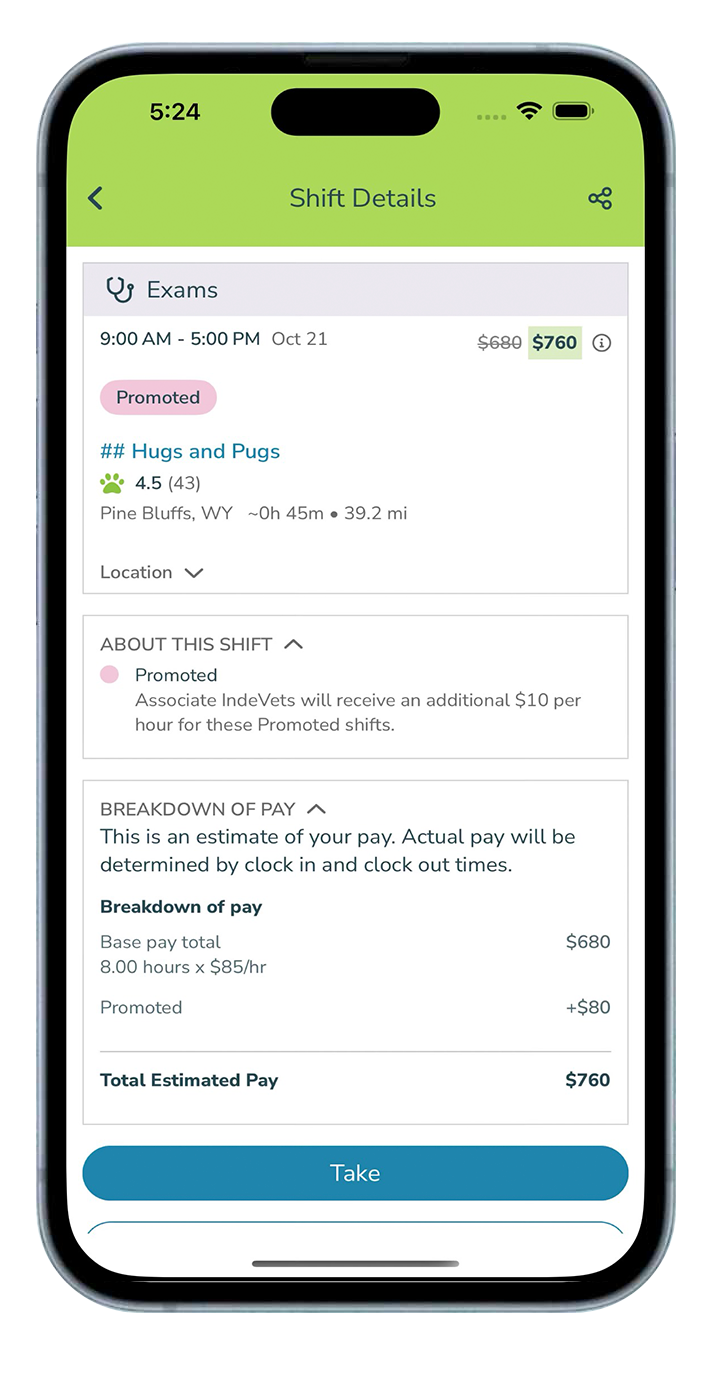
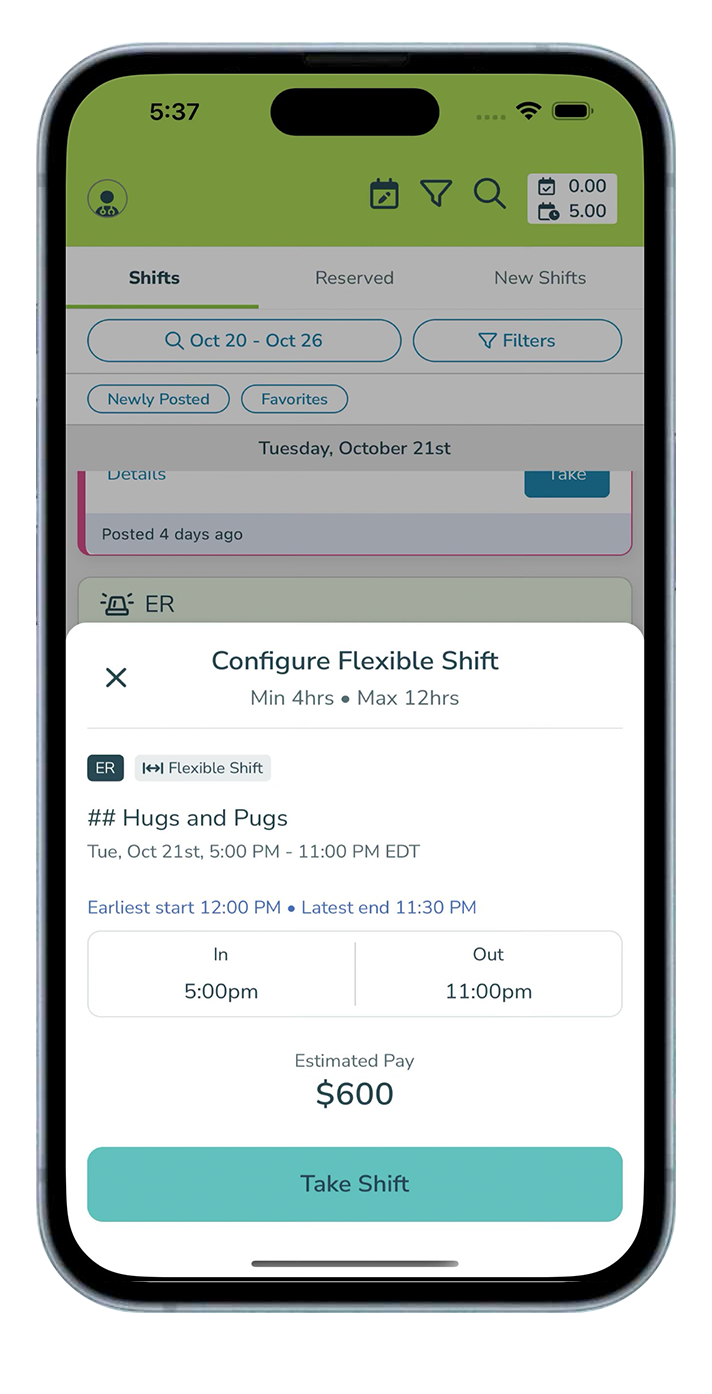
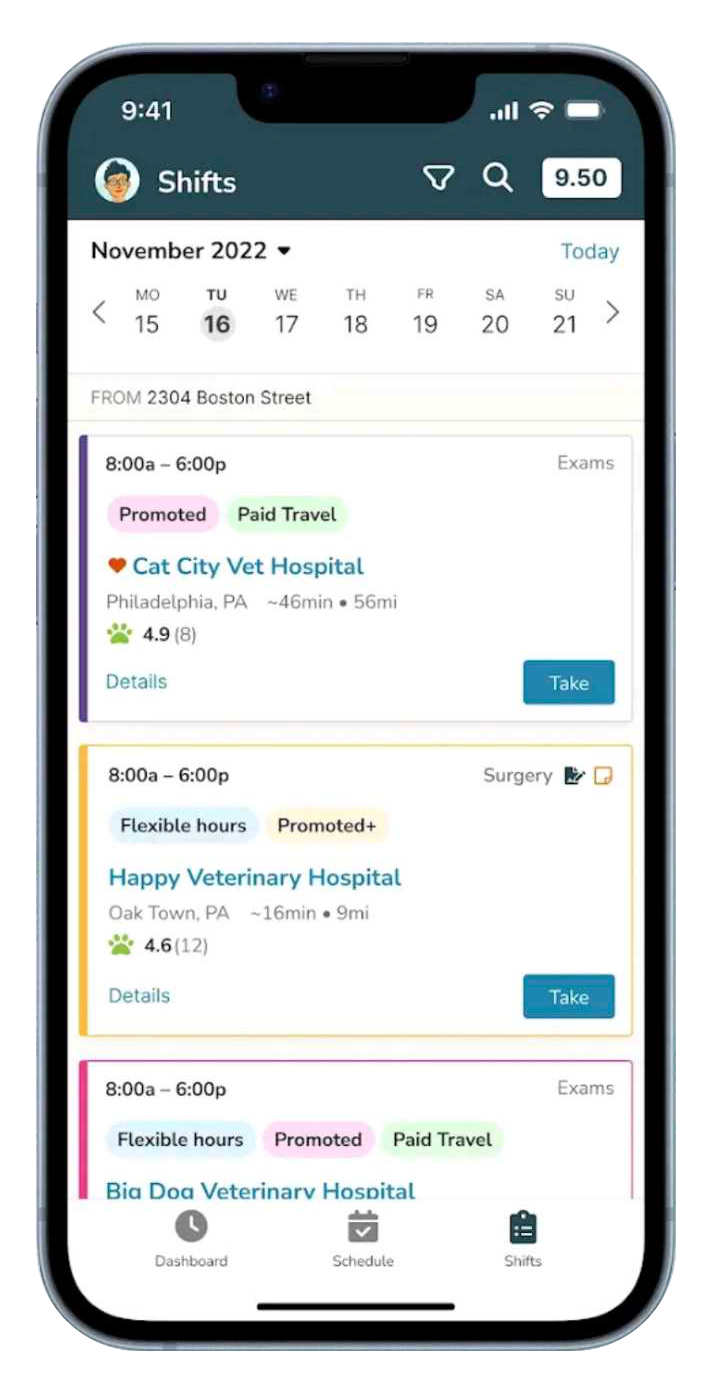
- Shift browsing & booking: Implemented workflows for exploring shifts, filtering, viewing details, favoriting, and booking — including UI support for pay-rate calculations.
- Focus on UX quality: I consistently refined spacing, accessibility, behavior, and interaction consistency — even when features were already functionally complete. Those small details add up.
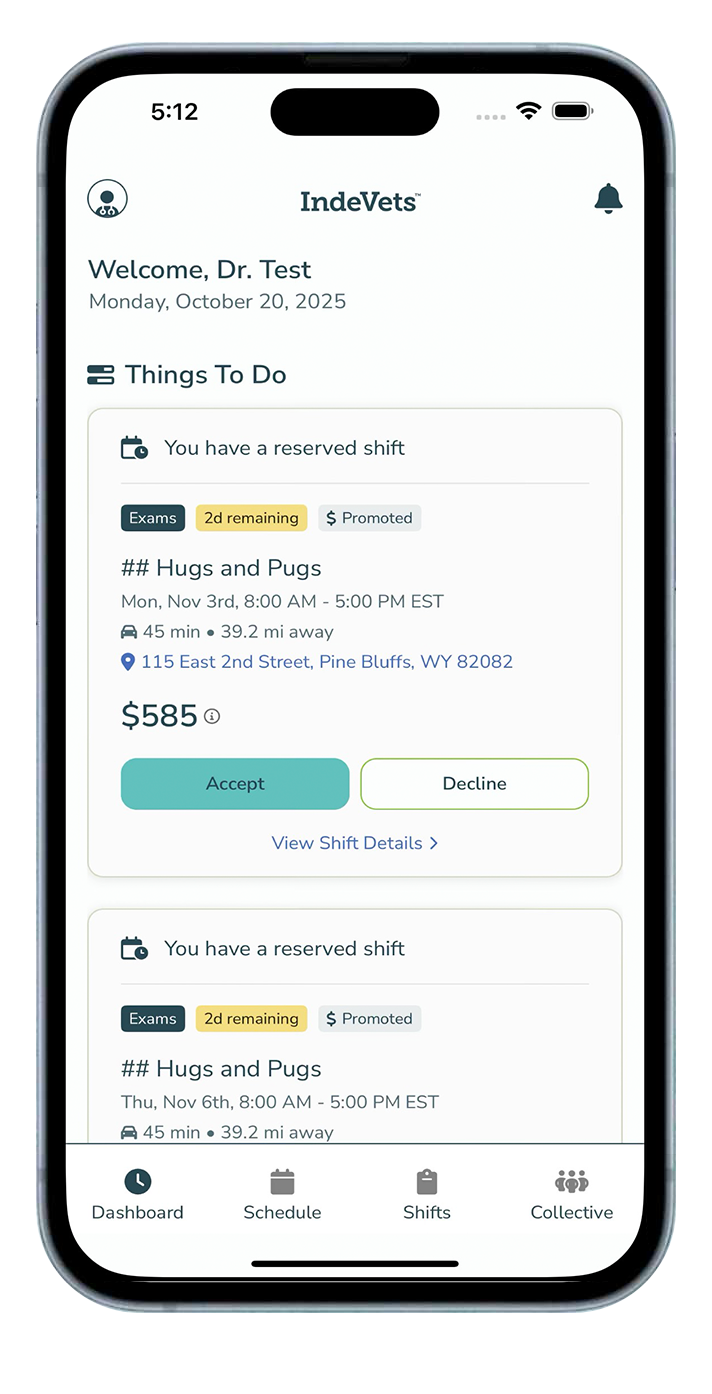
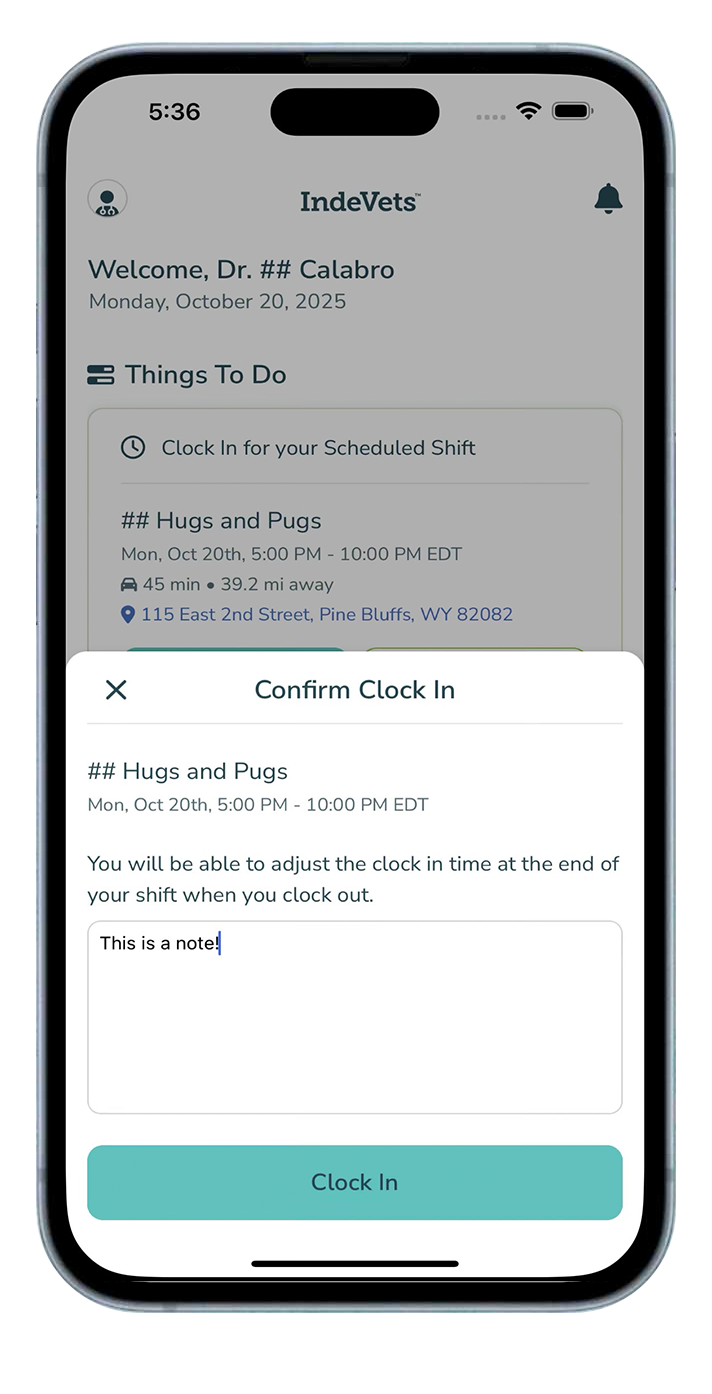
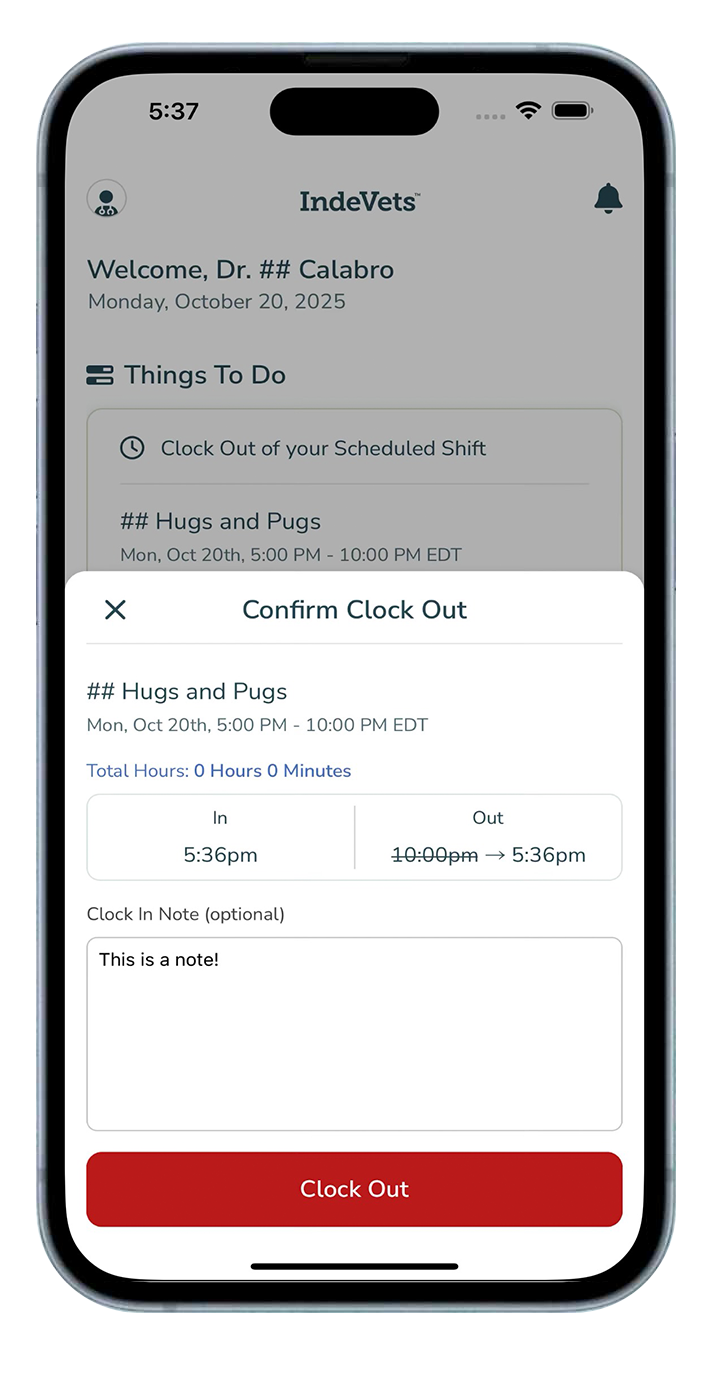
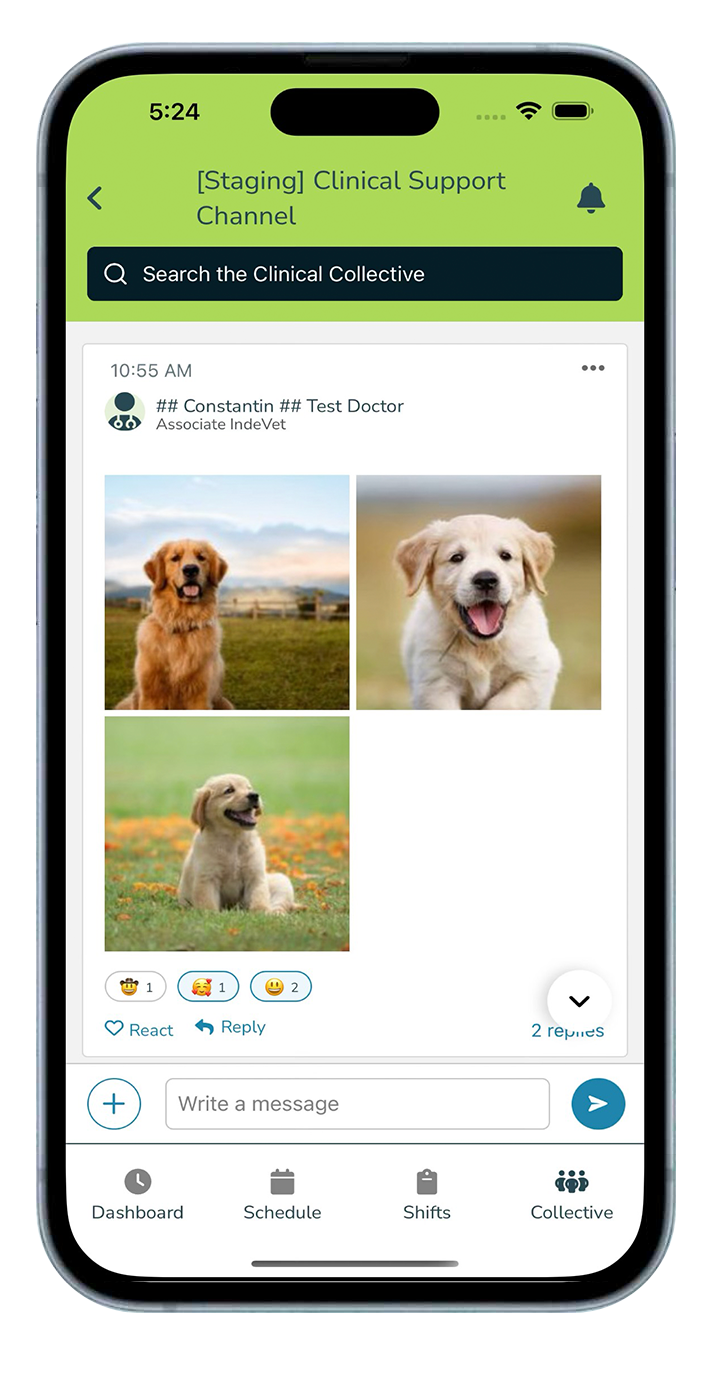
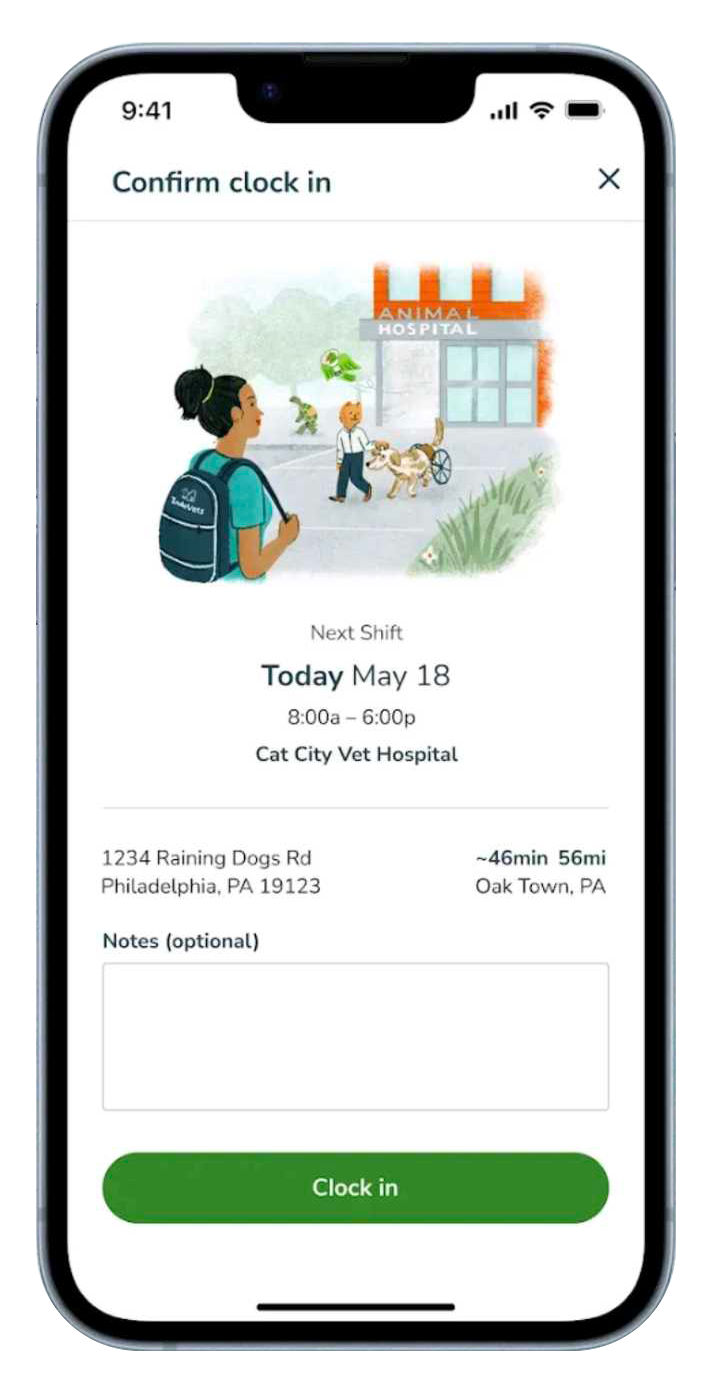
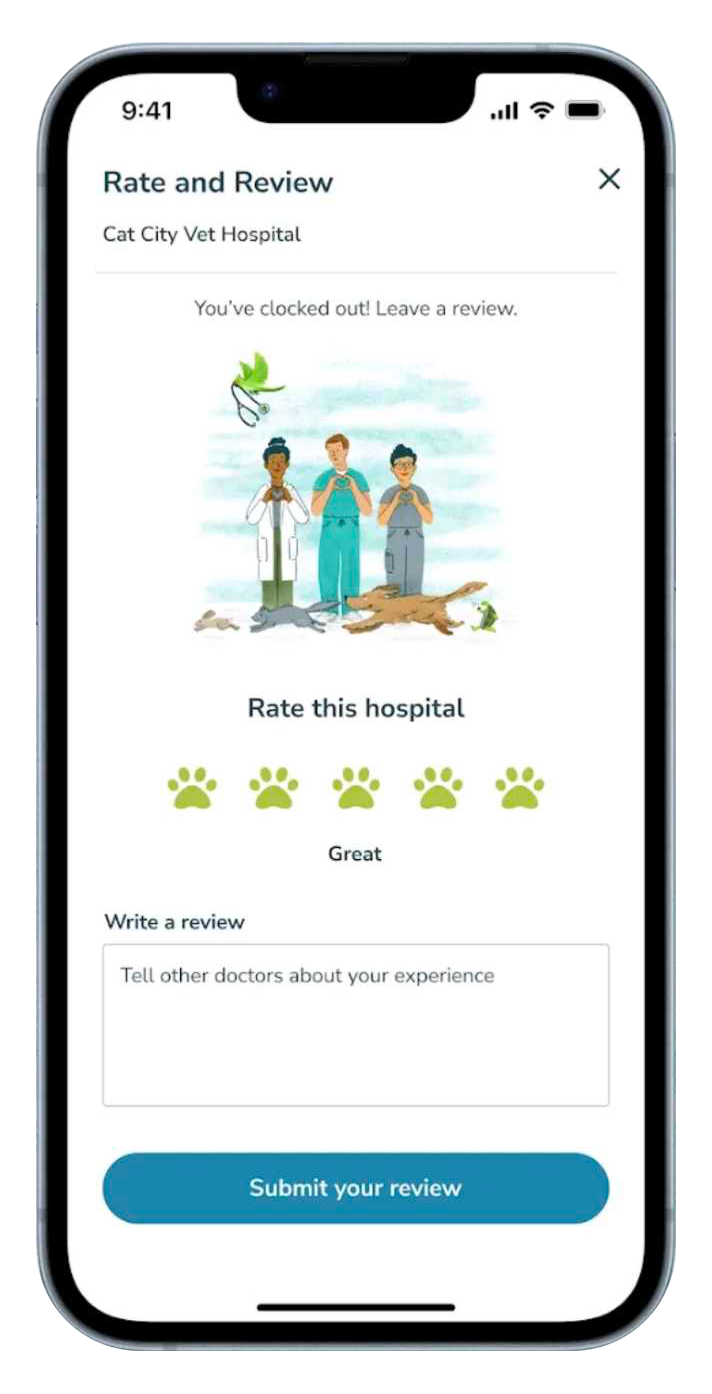
iOS – Production UI (as of my time on the team)
These screenshots reflect the iOS experience as it existed during my time at IndeVets, up through October 2025. The UI shown here matches the live product from that period.
Android – App Store Preview (public older screenshots)
These Android images are taken directly from the current Google Play Store listing. They represent an earlier public version of the app. During my time on the team, the Android in-app UI matched the iOS experience shown above, though the Play Store preview was not updated to reflect newer designs.
Phasmophobia Evidence Tracker (Personal Project)
React, TypeScript, Figma-to-Code
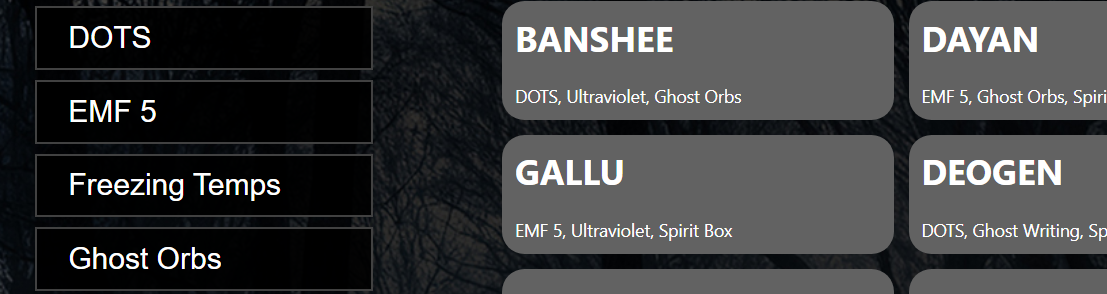
A small side project I’m building for fun — a web tool that helps Phasmophobia players narrow down ghost types by tracking evidence. I designed the UI in Figma and rebuilt it in React with simple, clean components. It’s been a great way to explore interaction patterns outside of work.
- Three-state toggle system for evidence (confirmed / ruled out / unknown)
- Real-time filtering of ghost types using AND-based matching logic
- Designed for desktop with early responsive support
- Reusable components with clear, predictable state handling
- Deployed via GitHub Pages with automated CI/CD
Experience
UX Engineer
IndeVets | March 2024 – October 2025
As the UX Engineer on the mobile team, I worked closely with design, product, team leads, backend engineers, and other frontend engineers to shape how new features should look and feel. I refined patterns, asked clarifying questions, and contributed interaction details when designs were incomplete or needed adjustments. I also partnered with the staffing team — building components for their project and assisting with design reviews — which helped keep UI patterns and expectations aligned across product areas. I frequently acted as a UI/UX sounding board for other frontend engineers, joining quick calls to walk through features, review visuals, and suggest refinements so things felt cohesive across projects. My focus throughout was keeping the experience clear, consistent, and usable as the product expanded.
Associate Full Stack Developer
IndeVets | November 2022 – March 2024
Worked across early versions of the mobile app, building numerous production components and contributing to features across iOS, Android, and web. Collaborated with designers and backend engineers to ship functionality and establish UI patterns that the team continued using as the product grew. Promoted to UX Engineer after demonstrating strengths in frontend craft and design-engineering collaboration.
Software Developer
Audit Analytics | December 2020 – November 2022
Full-stack development using PHP, SQL, jQuery, HTML, and CSS. I worked on a variety of product features, data tools, and internal systems, improving legacy codebases and solving customer-reported issues. I also helped implement security fixes and quality-of-life improvements across different parts of the platform. It was my first experience working within a larger engineering group and collaborating across multiple teams to ship stable, production-ready software.